
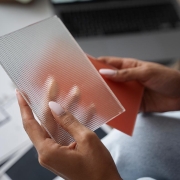
Acrylic sheets are available in much more than clear or solid-color finishes. For projects that require greater privacy, softer light transmission or a more decorative appearance, textured acrylic sheets can provide an effective alternative to conventional transparent panels.

Their patterned surfaces modify how light and images pass through the material, allowing designers, signage manufacturers and commercial buyers to achieve different visual effects while maintaining the lightweight and versatile characteristics of acrylic.

What Is a Textured Acrylic Sheet?

A textured acrylic sheet is a PMMA panel with a patterned, embossed or structured surface rather than a completely smooth finish.

Depending on the pattern and degree of texture, the sheet may partially obscure objects behind it while still allowing light to pass through.

Common visual effects can range from:

  • Fine geometric textures
  • Frosted appearances
  • Rippled or patterned surfaces
  • Semi-transparent decorative finishes
  • Light-diffusing textures

This makes textured acrylic useful where both appearance and light control matter.

Why Use Textured Acrylic Instead of Clear Acrylic?

Clear acrylic is ideal when visibility and optical transparency are the main priorities. Textured acrylic serves a different purpose.

The patterned surface can help reduce direct visibility while still maintaining brightness, making it suitable for decorative or privacy-related applications.

Improved Visual Privacy

Textured acrylic can obscure details behind a panel without completely blocking light.

This makes it useful for applications such as:

  • Interior partitions
  • Decorative screens
  • Office dividers
  • Retail fixtures
  • Privacy panels

The amount of privacy depends on the particular texture and sheet specification.

Decorative Surface Appearance

Texture gives acrylic a more distinctive surface character than a conventional smooth sheet.

When used in retail displays, interiors or architectural decoration, the material can become part of the design itself rather than simply acting as a transparent barrier.

Different patterns interact with light in different ways, producing subtle reflections, shadows and visual depth.

Light Diffusion and Lighting Applications

One of the most useful characteristics of textured or frosted acrylic is the way it changes transmitted light.

Instead of allowing a concentrated light source to remain clearly visible, the surface can help soften and distribute the light.

This can make textured acrylic suitable for:

  • Decorative lighting panels
  • LED applications
  • Light boxes
  • Illuminated displays
  • Interior light features
  • Diffuser panels

For lighting projects, buyers should compare the actual light transmission and diffusion requirements rather than selecting a sheet based only on appearance.

Common Applications for Textured Acrylic Sheets

Interior Partitions

Textured acrylic can help separate spaces while maintaining a brighter and more open visual environment than fully opaque materials.

Retail and Display Fixtures

Retail designers can use patterned acrylic for shelves, display panels, partitions or decorative merchandising elements.

Signage

Certain textured or frosted sheets can be combined with lighting or graphics to create distinctive signage effects.

Furniture and Decorative Panels

Acrylic can be incorporated into cabinet doors, furniture elements, decorative inserts and wall features where a patterned surface is preferred.

Lighting and Light Boxes

Frosted and textured acrylic sheets can help soften direct LED light and create a more uniform illuminated appearance.

Textured vs. Frosted Acrylic: What Is the Difference?

Although the terms are sometimes used together, textured and frosted acrylic do not always refer to exactly the same surface.

Frosted acrylic generally has a fine matte or satin appearance that reduces transparency and creates softer light diffusion.

Textured acrylic normally has a more visible physical pattern or embossed surface.

The right material therefore depends on the visual result required.

For a minimalist modern appearance, a fine frosted finish may be suitable. For a more distinctive decorative feature, a pronounced texture may be preferred.

What Should Buyers Check Before Ordering?

For wholesale, distribution and project purchasing, buyers should confirm more than just the surface pattern.

Important specifications include:

  • Sheet dimensions
  • Thickness
  • Texture or pattern
  • Transparency level
  • Color
  • Surface finish
  • Light transmission requirements
  • Protective film
  • Packaging method
  • Required quantity

If the sheet will be used in lighting, signage or architectural applications, providing information about the final use can also help determine the most appropriate material.

Consider the Viewing Distance

Texture can look very different depending on how close a person is to the finished installation.

A fine pattern may appear almost smooth from several meters away, while a stronger geometric texture can remain highly visible.

For large commercial projects, evaluating a physical sample before confirming a bulk order can help buyers judge:

  • Surface appearance
  • Privacy level
  • Color
  • Light transmission
  • Texture scale

This is particularly useful when aesthetic consistency is important.

Choosing the Right Color and Texture Combination

Texture is only one part of the final appearance.

Acrylic sheets can combine surface treatment with different color options, creating materials that are:

  • Clear textured
  • Frosted white
  • Translucent colored
  • Opaque colored
  • Decorative patterned

A clear textured sheet can provide privacy while maintaining a neutral appearance, while a colored textured sheet can become a stronger decorative element.

The choice should reflect both the functional requirement and the design of the surrounding environment.

Textured Acrylic Sheet Solutions from Enlight Acrylic

Enlight Acrylic supplies acrylic sheet solutions for commercial, signage, display, lighting and decorative applications.

The available acrylic range includes clear, colored, frosted and textured sheet options for wholesalers, distributors and bulk project buyers.

For project requirements, buyers can provide their preferred texture, sheet dimensions, thickness, color, intended application and estimated quantity to discuss suitable specifications.

Looking for Textured Acrylic Sheets for Your Project?

Selecting the right textured acrylic sheet involves balancing appearance, privacy, light transmission and application requirements.

Whether the material will be used for an interior partition, retail display, illuminated panel or decorative feature, reviewing the required finish and performance before ordering can help achieve a more consistent final result.

Contact Enlight Acrylic with your required texture, dimensions, thickness, color and order quantity to discuss your project and request a quotation.

Illuminated signage plays an important role in retail spaces, restaurants, commercial buildings, exhibition stands and branding environments. A well-made lighted sign does more than display a name or message — it helps create atmosphere, improve visibility and strengthen brand presentation.

Among the materials commonly used in this field, acrylic sheets remain one of the most practical and visually effective options. Their smooth surface, clean appearance and compatibility with lighting systems make them a preferred material for many signage and display applications.

Why Acrylic Is Commonly Used in Illuminated Signs

Acrylic sheets are widely used in illuminated signage because they combine appearance, workability and functional performance in a way that suits commercial display projects.

For lighted signs, the material offers several important advantages:

  • Smooth and attractive surface appearance
  • Good compatibility with LED and other lighting systems
  • Availability in clear, opal, frosted and colored options
  • Lightweight compared with many traditional rigid materials
  • Easy integration into modern commercial signage structures

These characteristics make acrylic suitable for both decorative and functional signage.

Common Acrylic Applications in Illuminated Signage

Acrylic sheets can be used in many types of lighting-related signage and display projects.

Light Boxes

Opal and translucent acrylic sheets are often used for light box faces because they help diffuse light and create a clean, even illuminated surface. These are widely used in commercial signs, indoor branding panels and advertising displays.

Channel Letters

Acrylic is frequently selected for the faces of illuminated channel letters. The material can provide a neat surface and clear visual presentation while working well with internal lighting systems.

Logo Signs and Decorative Branding Displays

Acrylic is also suitable for illuminated brand logos, wall-mounted signs and decorative wording installations. The combination of color, transparency and lighting can help produce an elegant commercial effect.

Interior Decorative Signage

Restaurants, cafés, retail spaces, showrooms and commercial interiors often use illuminated acrylic signs to create a more attractive environment. These signs may serve both branding and decorative functions.

Which Acrylic Sheet Types Are Commonly Used?

The choice of acrylic depends on the intended visual effect and the lighting method.

Clear Acrylic Sheet

Clear acrylic is useful when maximum transparency and a glossy modern look are required. It can be used in decorative sign structures, protective covers and certain illuminated display applications.

Opal Acrylic Sheet

Opal acrylic is one of the most common materials for light boxes and internally illuminated signs because it helps diffuse light more evenly and creates a softer appearance.

Colored Acrylic Sheet

Colored acrylic can add a stronger visual identity to signs and branded environments. Depending on the application, it may be used as a decorative front material or combined with lighting for a distinctive effect.

Frosted Acrylic Sheet

Frosted acrylic provides a softer and more refined appearance. It is suitable for projects where light diffusion, privacy or a more elegant visual effect is required.

What Should Sign Buyers Consider?

When selecting acrylic sheets for illuminated signs, appearance alone is not enough. Buyers should also evaluate technical and practical factors based on the final application.

Important points include:

  • Required sheet thickness
  • Desired light diffusion level
  • Surface finish
  • Color requirements
  • Sheet size
  • Indoor or outdoor use
  • Compatibility with lighting structure
  • Fabrication and installation method
  • Quantity for project or repeat orders
  • Surface protection during transport

For signage manufacturers and project buyers, confirming these details in advance can improve production efficiency and reduce material mismatch.

Acrylic for Commercial Signage Projects

Illuminated acrylic signs are commonly used across many industries, including:

  • Retail stores
  • Restaurants and cafés
  • Shopping centers
  • Exhibition booths
  • Corporate interiors
  • Hospitality spaces
  • Advertising and branding projects

Because acrylic can be produced in different colors, finishes and sizes, it gives sign makers and project buyers greater flexibility when planning visual presentation.

Why Material Selection Matters

The visual quality of an illuminated sign depends not only on design and lighting, but also on the material itself. A suitable acrylic sheet can help improve the final appearance of the sign by supporting cleaner light presentation and a more professional finish.

This is especially important for businesses that want illuminated signage to represent their brand image in a polished and attractive way.

Acrylic Sheet Supply for Signage and Light Box Applications

For B2B buyers, acrylic sheet sourcing should focus on both product suitability and supply consistency. Sign manufacturers, distributors and project buyers often need material that fits repeat production requirements as well as commercial presentation standards.

When discussing an order, it is helpful to confirm:

  • Product type
  • Thickness
  • Sheet dimensions
  • Color or opal requirement
  • Estimated quantity
  • Intended sign application
  • Packaging requirements

This helps ensure the selected acrylic sheet is suitable for the project and easier to integrate into production planning.

Signage Acrylic Solutions from Enlight Acrylic

Enlight Acrylic supplies acrylic sheet solutions for signage, light boxes, display systems and commercial decorative applications.

The available product range includes clear acrylic sheets, opal acrylic sheets, frosted acrylic sheets and colored acrylic sheets suitable for different illuminated sign requirements.

For project-based or bulk purchasing needs, buyers can provide their required dimensions, thickness, color and intended use to discuss the suitable acrylic sheet specification.

Looking for Acrylic Sheets for Illuminated Signs?

Whether you are producing a light box, branded logo sign, decorative wall sign or commercial display panel, selecting the right acrylic sheet is an important step in achieving the final visual effect.

Contact Enlight Acrylic to discuss your signage project, sheet requirements and quotation needs for acrylic sheet supply.

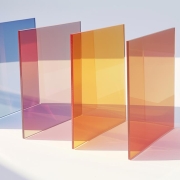
Colored acrylic sheets combine the practical advantages of acrylic with a wide range of transparent, translucent and opaque color options. Their clean appearance, light weight and versatility make them suitable for commercial signage, retail displays, lighting features, interior decoration and many other applications.

For wholesalers, distributors and project buyers, understanding the differences between acrylic colors, transparency levels and finishes can make product selection much easier.

What Are Colored Acrylic Sheets?

Colored acrylic sheets are PMMA plastic panels manufactured with pigments or colorants added to create different visual effects while maintaining the useful properties of acrylic.

Depending on the product specification, colored acrylic may be:

  • Transparent, allowing objects and light to remain visible through the sheet.
  • Translucent, allowing light to pass through while reducing visibility.
  • Opaque, providing solid color coverage.
  • Frosted or textured, creating a softer decorative appearance and greater privacy.

This variety allows acrylic sheets to be selected according to both functional and aesthetic requirements.

Why Choose Colored Acrylic Instead of Ordinary Clear Acrylic?

Clear acrylic is an excellent option when maximum transparency is required, but many commercial projects need more than simple visibility.

Colored acrylic sheets can help designers and manufacturers introduce visual identity directly into a project without relying entirely on printed graphics, paint or surface coatings.

They can be particularly useful when a project requires:

Consistent color
Color is incorporated into the sheet material, creating a clean and uniform appearance.

Light transmission effects
Transparent and translucent colors can interact with natural or artificial lighting to create distinctive visual effects.

Modern appearance
The glossy surface and clean edges of acrylic work well with contemporary retail, architectural and display environments.

Flexible design options
Different colors, thicknesses and finishes can be selected according to the intended application.

Common Applications of Colored Acrylic Sheets

Signage and Light Boxes

Colored acrylic is widely used in commercial signage because it combines good surface quality with strong visual impact.

Transparent and translucent acrylic can be used with lighting systems, while opaque colors are suitable for letters, panels and decorative sign elements.

Retail Displays

Retail environments often use acrylic sheets for display stands, product showcases, promotional fixtures and decorative panels.

Using different acrylic colors can help stores separate product categories or maintain a consistent visual identity.

Interior Decoration

Architects and interior designers can use colored acrylic for decorative partitions, wall features, furniture elements and other visual applications.

The material can introduce color while maintaining a lighter appearance than many traditional solid materials.

Lighting Applications

Opal, frosted and translucent acrylic sheets are commonly selected for lighting-related projects.

Different levels of light transmission can be used to diffuse or soften LED lighting in decorative panels, illuminated displays and light-box applications.

Exhibition and Commercial Displays

Colored acrylic can also be incorporated into exhibition stands, promotional displays and temporary commercial installations where strong visual presentation is important.

Transparent vs. Translucent Colored Acrylic

Although both materials contain color, their appearance can be very different.

Transparent colored acrylic allows clear visibility through the sheet while adding a color tint. It is useful when transparency remains part of the design.

Translucent colored acrylic allows light to pass through but reduces direct visibility. This makes it suitable for illuminated panels, privacy applications and decorative lighting.

The correct choice depends on whether the project prioritizes visibility, light diffusion or visual privacy.

What Should B2B Buyers Consider?

When sourcing colored acrylic sheets in volume, color is only one specification that should be considered.

Buyers should also confirm:

  • Sheet dimensions
  • Thickness requirements
  • Transparency or opacity level
  • Surface finish
  • Color consistency
  • Protective film requirements
  • Packaging method
  • Order quantity
  • Application environment
  • Required test reports or compliance documentation

For repeat purchasing, maintaining consistent specifications between production batches is especially important.

Custom Sizes and Color Requirements

Commercial buyers may require dimensions or colors that differ from standard stock options.

For bulk projects, custom sheet sizes and selected color requirements can be discussed according to order quantity and production requirements.

Protective film and export packaging should also be considered when acrylic sheets will be transported internationally, helping protect the surface from scratches during handling and shipping.

Choosing the Right Acrylic Sheet for Your Project

There is no single colored acrylic sheet that is ideal for every application.

A transparent blue panel for a retail display, for example, serves a very different purpose from an opal sheet used in an illuminated sign.

Before ordering, buyers should consider:

What visual effect is required?
Transparent, translucent, frosted or opaque.

Will the sheet be illuminated?
Lighting applications may require specific transmission or diffusion characteristics.

Where will the material be used?
Signage, display, decoration and industrial applications may have different requirements.

What volume is required?
Large-volume and repeat orders should be planned around consistent specifications and production requirements.

Colored Acrylic Sheet Solutions from Enlight Acrylic

Enlight Acrylic supplies acrylic sheet solutions for wholesalers, distributors, bulk importers and industrial buyers.

The available product range includes clear, opal, frosted, colored and textured acrylic sheets for applications such as signage, display systems, lighting and architectural decoration.

For bulk purchasing or project requirements, buyers can provide their target color, sheet size, thickness, estimated quantity and intended application so the appropriate acrylic sheet specification can be discussed.

Need Colored Acrylic Sheets for Your Next Project?

Whether you are sourcing acrylic for signage, retail displays, lighting or decorative applications, selecting the correct combination of color, transparency, thickness and finish is essential.

Contact the Enlight Acrylic export team with your required color, dimensions, thickness and order quantity to discuss your project and request a quotation.