
How to Clean, Maintain and Store Acrylic Sheets
administrator November 5, 2026
If you work in signage manufacturing, retail display fabrication, or advertising production, you know that proper acrylic sheet cleaning and storage are essential to maintaining material quality. Imagine investing in high-quality acrylic sheets, only to discover that they have warped, developed surface scratches, or become cloudy or yellowed after improper storage.
These issues can turn perfectly usable materials into costly waste before fabrication even begins. For manufacturers and fabricators, poor acrylic sheet storage isn’t just a material problem — it means wasted money, production delays, and reduced profitability.
Acrylic sheets look durable, but they require proper care and handling. Excessive heat, direct sunlight, harsh chemical solvents, and heavy pressure can cause warping, surface damage, discoloration, or even cracking.
In many cases, acrylic sheet damage is not caused by poor material quality, but by improper storage, handling, or cleaning methods. ,This practical acrylic sheet maintenance and storage guide provides simple, effective tips for warehouse managers, signage manufacturer, plastic fabricators to protect their materials, prevent unnecessary damage, and reduce material waste.
So, how can you properly clean, maintain, and store acrylic sheets to prevent damage, extend their service life, and reduce unnecessary material waste? This guide covers practical acrylic sheet care and storage tips to help protect your materials before and after fabrication.
1. How to Store Acrylic Sheets Properly to Prevent Warping and Damage
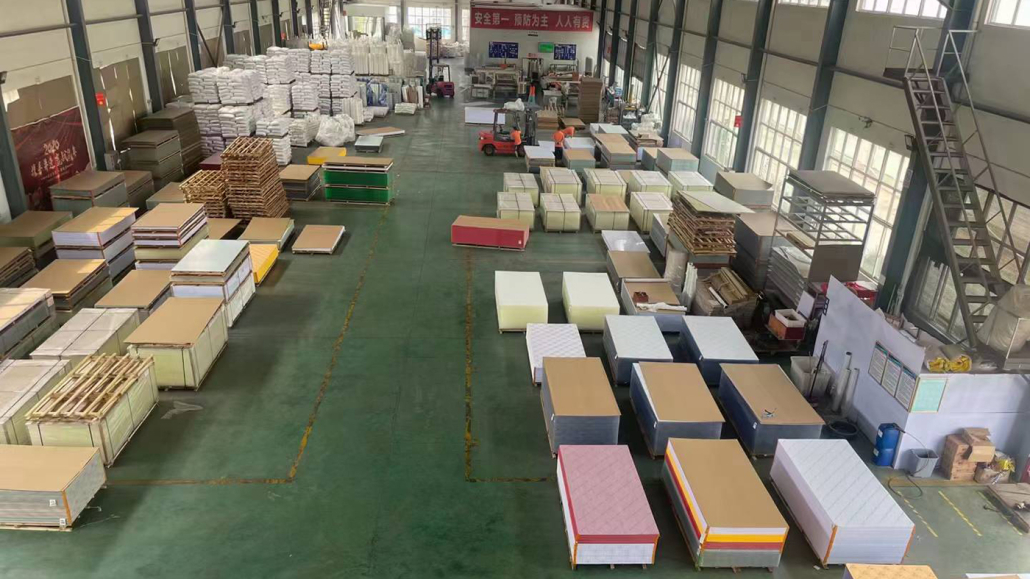
Proper acrylic sheet storage is essential for maintaining material quality, preventing warping, and reducing unnecessary waste before fabrication. Whether you’re managing a warehouse or manufacturing signage and retail displays, the following storage practices can help protect your acrylic sheets.
1. Keep the Protective Film in Place
One of the most important rules is to keep the protective PE film on acrylic sheets until it needs to be removed for processing or installation. The protective film helps prevent dust accumulation, surface scratches, and damage during handling. Once removed, static electricity can attract dust and small particles, increasing the risk of scratches.
Always follow the material manufacturer’s recommendations, especially when heat processing or long-term storage is involved.
2. Maintain a Cool, Dry, and Well-Ventilated Environment
Store acrylic sheets in a cool, dry, and well-ventilated indoor warehouse, away from direct sunlight and heat sources such as radiators, welding equipment, and hot machinery. Excessive heat can cause acrylic sheets to soften, warp, or deform. Prolonged exposure to sunlight during storage may also damage protective films and affect certain acrylic grades over time. As a practical warehouse management target, temperatures around 18–25°C (64–77°F) and relative humidity of approximately 40–60% can provide a controlled storage environment. These are suggested operating conditions rather than universal technical requirements for all acrylic sheets.
3. Choose the Right Acrylic Sheet Storage Method
There are two common ways to store acrylic sheets safely:
Vertical or Angled Storage: Use a dedicated storage rack that provides continuous support across the sheet. Acrylic sheets can be stored vertically or leaned at an angle of approximately 10° in a properly designed rack to help prevent bending and deformation.
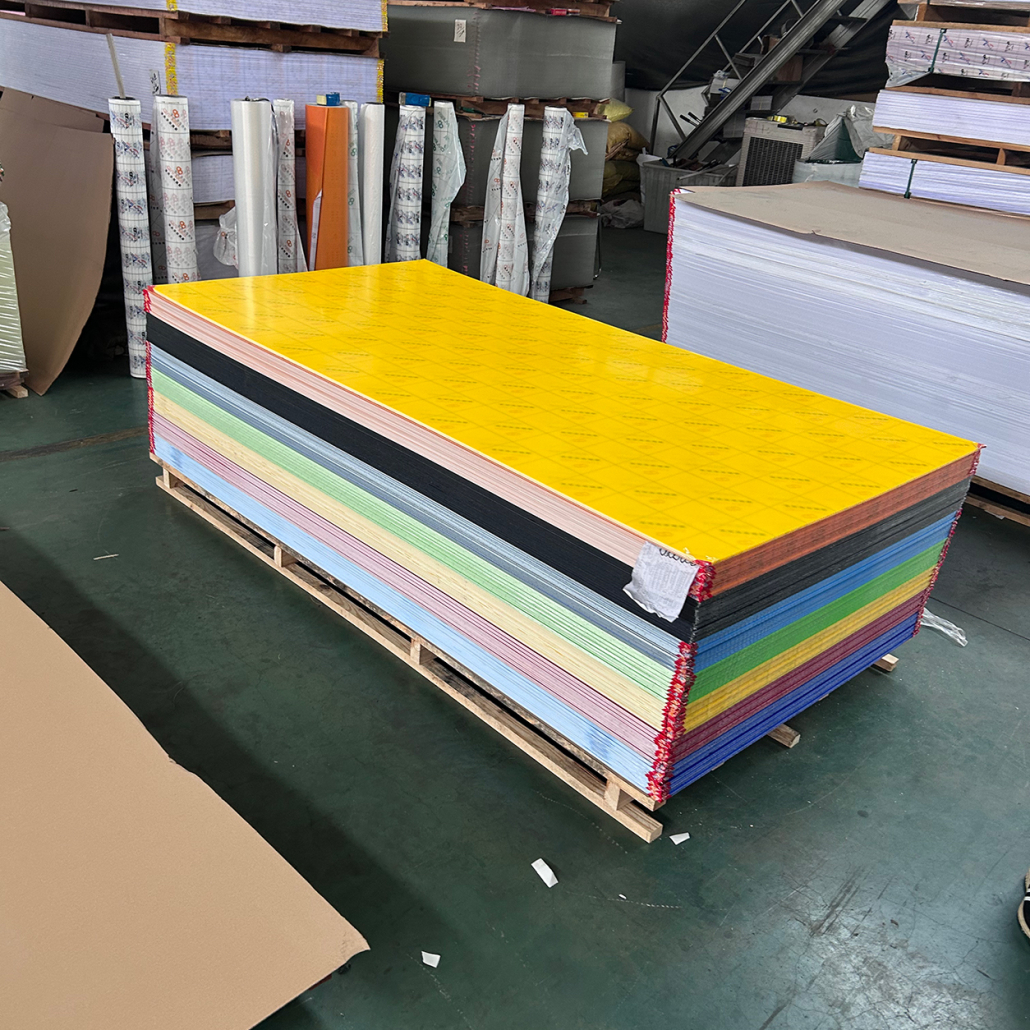
Horizontal Storage: If vertical storage is not possible, place acrylic sheets on a clean, flat, fully supported pallet or platform. Avoid unsupported edges, excessive stacking pressure, and heavy objects on top of the sheets.
Keep the protective film intact, and ensure that no dust, chips, or debris become trapped between stacked sheets. Use clean, compatible protective separators when necessary.
4. Avoid Common Acrylic Sheet Storage Mistakes
A common mistake is leaning large acrylic sheets directly against a wall without sufficient support or stacking them unevenly on the floor. Although the damage may not appear immediately, prolonged improper storage can cause sheets to bend or develop surface defects. This can affect cutting accuracy, increase fabrication waste, and delay production.
2. How to Handle Acrylic Sheets Safely and Prevent Scratches
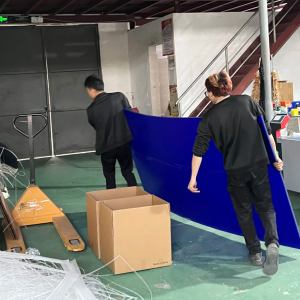
Proper acrylic sheet handling is essential for preventing surface scratches, edge damage, and unnecessary material waste during transportation and fabrication.
1. Avoid Dragging Acrylic Sheets
Never drag acrylic sheets across the floor or rough surfaces. Improper handling can easily cause
scratches, chipped edges, and other surface damage.
For large acrylic sheets, use two people or suitable lifting equipment to support and carry the material safely. Hold the sheets securely along their edges and avoid lifting large panels by a single corner, as this may cause bending or cracking.
2. Store Cut Acrylic Sheets Separately
After cutting, keep acrylic sheet offcuts and semi-finished panels organized and stored separately from unprocessed materials. Freshly cut acrylic edges can be sharp, creating a risk of injury and potentially scratching adjacent sheets during stacking or transportation. Use appropriate protective gloves, edge protection, and clean separators when handling cut acrylic panels.
3. How to Clean Acrylic Sheets Without Scratching or Damage
Improper acrylic sheet cleaning can cause more damage than the dirt itself.
·Many people use regular glass cleaners, alcohol, or paper towels to clean acrylic surfaces without realizing that these products may cause cloudiness, scratches, or permanent damage.
·Ammonia-based glass cleaners, acetone, paint thinners, and incompatible solvents can damage acrylic surfaces or cause stress crazing—tiny cracks that affect optical clarity and appearance.
·Alcohol-based cleaners may also create problems depending o
n their concentration, formulation, and the condition of the acrylic.
Once chemical damage or stress crazing occurs, it can be difficult or impossible to restore the original surface.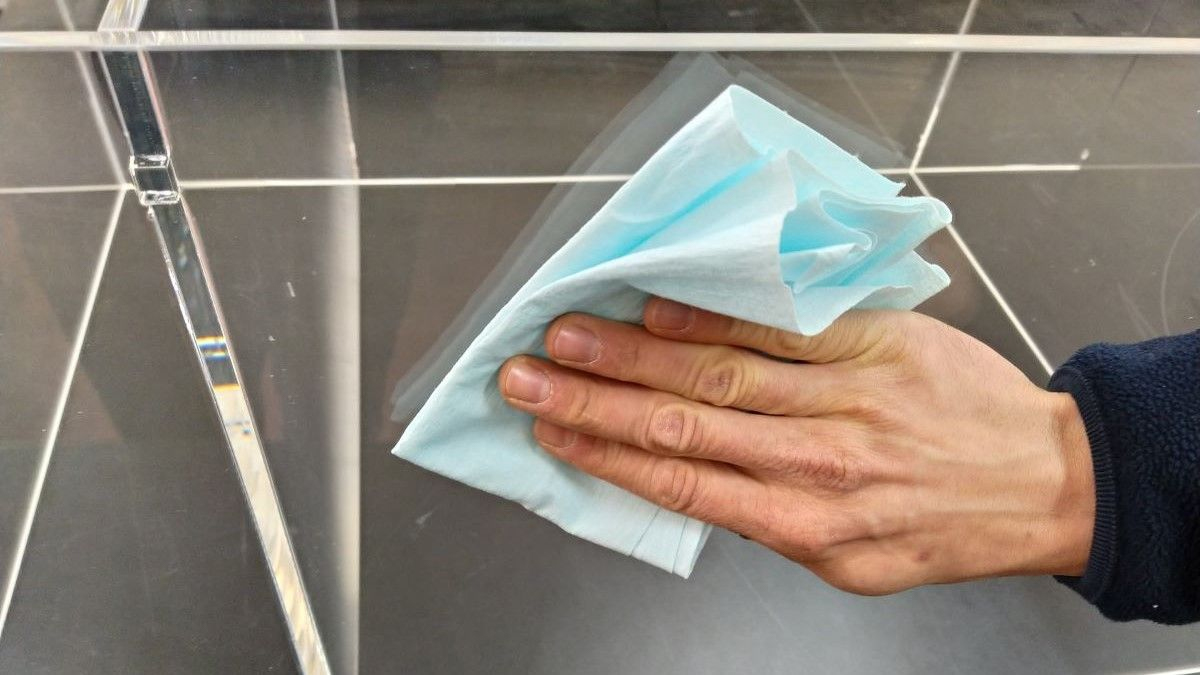
How Do You Clean Plexiglass Without Scratching It?
The best way to clean plexiglass is use lukewarm water, a small amount of mild dish soap, and a clean microfiber cloth. This gentle method helps remove dust, dirt, and fingerprints without unnecessarily damaging the acrylic surface.
Follow these simple steps:
·Remove Loose Dust and Debris: Gently rinse the surface with clean water or use clean, low-pressure air to remove dust and abrasive particles before wiping. Never rub sand or dry debris across acrylic sheets, as this can create scratches.
·Clean with Mild Soapy Water: Mix a small amount of pH-neutral dish soap with lukewarm water. Lightly wipe the acrylic sheet using a clean, soft microfiber cloth without applying excessive pressure.
·Rinse Thoroughly: Use clean water to remove any remaining soap or cleaning residue.
·Dry Gently: Use a clean microfiber cloth to blot away water droplets or wipe gently in one direction. Avoid aggressive circular rubbing or excessive pressure.
Cleaning Products to Avoid on Acrylic Sheets
To prevent acrylic sheet scratches, cloudiness, or chemical damage, avoid the following:
·Abrasive cleaning tools: Steel wool, scouring pads, and rough sponges can scratch the acrylic surface.
·Paper towels: Some paper towels can leave fine scratches, especially when dust or dirt is present.
·Ammonia-based glass cleaners: These may damage acrylic surfaces and affect their clarity.
·Acetone and nail polish remover: These can severely damage PMMA surfaces.
·Paint thinners and strong solvents: Incompatible chemicals may cause cracking, crazing, or discoloration.
· Unapprove alcohol-based cleaners: Their suitability depends on the product formulation and acrylic conditions. Use only when specifically recommended by the sheet manufacturer.
4. Common Acrylic Sheet Maintenance and Storage Mistakes to Avoid
Even high-quality acrylic sheets can become damaged when exposed to unsuitable storage conditions or incorrect handling practices.
Here are three common mistakes that warehouse managers, signage manufacturers, and acrylic fabricators should avoid.
Mistake 1: Storing Acrylic Sheets Near Chemicals and Solvents
Avoid storing acrylic sheets in enclosed areas where paints, adhesives, thinners, or cleaning chemicals are improperly stored or where solvent vapors may accumulate. Exposure to incompatible chemicals or concentrated solvent vapors may contribute to acrylic surface damage or stress cracking, particularly in materials with residual stress. Keep acrylic sheets in a clean, well-ventilated storage area, away from chemical spills and sources of solvent exposure. Follow the applicable chemical storage and safety requirements.
Mistake 2: Mixing Cast and Extruded Acrylic Sheets
Cast acrylic sheets and extruded acrylic sheets have different manufacturing characteristics, which can affect their thickness tolerances, thermal behavior, and fabrication performance. Mixing these materials without clear identification may cause workers to select the wrong sheet type for cutting, engraving, thermoforming, or other manufacturing operations.
Mistake 3: Using the Wrong Acrylic Grade for Outdoor Applications
Not every acrylic sheet is designed for the same outdoor conditions. High-quality PMMA generally offers good UV and weather resistance. However, long-term performance depends on material grade, formulation, color, and environmental exposure. For outdoor signage, illuminated advertising panels, and exterior displays, choose acrylic sheets with suitable weather-resistance specifications and relevant technical documentation.
Conclusion: Proper Acrylic Sheet Care Protects Quality and Profitability
Acrylic sheets are versatile, cost-effective engineering plastics widely used in signage manufacturing, retail displays, advertising production, and commercial fabrication.
However, material quality alone does not guarantee successful results. Improper storage, careless handling, and unsuitable cleaning methods can lead to scratches, warping, surface damage, unnecessary waste, and increased production costs.
By following proper acrylic sheet storage, cleaning, and maintenance practices, manufacturers can protect material quality, improve fabrication efficiency, and reduce avoidable rework and customer complaints.
At Enlight Acrylic, we understand the importance of selecting and maintaining suitable materials for signage and display applications. We aim to help B2B customers make informed purchasing decisions based on their material specifications and project requirements.
Looking for Acrylic Sheets for Your Next Project?
Whether you need clear acrylic sheets, cast acrylic sheets, extruded acrylic sheets, or customized PMMA panels, Enlight Acrylic is here to discuss your material requirements.
To explore our FAQs and contact us for a quotation.
Protect your materials. Reduce unnecessary waste. Get more value from every acrylic sheet.


