Seven Acrylic Sheet Market Problems in 2026
Author: administrator Publish Time: October 29, 2026
One defective acrylic sheet can turn a low-cost order into an expansive mistake.
Imagine receiving a bulk shipment of acrylic sheets, only to discover inconsistent thickness, surface scratches, or fabrication defects during production. These acrylic sheet quality problems can cause material waste, production delays, and unexpected costs.
What are the biggest acrylic sheet sourcing challenges in 2026?
For B2B buyers, the seven major challenges include inconsistent quality, fluctuating acrylic sheet prices, fabrication difficulties, limited customization, shipping damage, outdoor durability concerns, and unreliable supplier communication.
For signage manufacturers, acrylic fabricators, and wholesale distributors, choosing a reliable acrylic sheet supplier is essential to controlling costs and maintaining product quality.
In this guide, we explore seven common acrylic sheet purchasing problems and explain how Enlight Acrylic helps buyers evaluate materials, reduce sourcing risks, and select suitable acrylic sheets for their applications.
1. Common Acrylic Sheet Quality Problems
Inconsistent acrylic sheet quality can increase material waste, production costs, and delivery delays for bulk buyers. Buyers may encounter thickness variations, surface scratches, bubbles, impurities, color differences, or inconsistent optical clarity between shipments. These issues become particularly serious when acrylic sheets are used for illuminated signage, retail displays, transparent protective panels, or precision-fabricated components. For example, inconsistent thickness can affect CNC machining accuracy, while surface defects may reduce the visual appeal of finished display products. In large-scale manufacturing, even small quality problems can result in significant material waste.
Our solution: Stable quality control
At Enlight Acrylic, we believe reliable sourcing begins with clear material specifications and quality expectations. We focus on understanding each customer’s requirements, including sheet thickness, dimensions, transparency, surface finish, and intended application. Before bulk purchasing decisions, customers can discuss relevant material specifications, quality requirements, and available sample options with our team. Our goal is to help buyers reduce misunderstandings, select appropriate materials, and establish clearer expectations before production and shipment.
2. Acrylic Raw Material Price Fluctuation and Rising Procurement Pressure
Acrylic sheet pricing is mainly driven by PMMA resin costs, energy, production, and freight expenses.
In 2026, supply chain disruptions and changes in regional demand have contributed to substantial fluctuations in PMMA markets. However, pricing conditions vary by region and time, making it difficult for buyers to predict future procurement costs. For importers and distributors purchasing large quantities of acrylic sheets, unexpected price changes can directly affect profit margins.
Choosing the cheapest available quotation may also create additional expenses if material quality, processing performance, or delivery reliability does not meet expectations.
Our solution: Stable raw material & cost control
Rather than focusing on price alone, Enlight Acrylic encourages customers to evaluate the total cost of material procurement. We help buyers compare suitable acrylic sheet options based on application requirements, specifications, and budget expectations. For projects where premium machining performance is essential, cast acrylic sheets may be preferable. For certain standardized applications, extruded acrylic sheets may offer a more economical alternative. By selecting materials according to actual requirements, buyers can avoid unnecessary spending while maintaining suitable product performance.
3. Choosing the Wrong Acrylic Sheet for Fabrication
Not all acrylic sheets behave the same during processing.
Cast acrylic sheets and extruded acrylic sheets are both produced from PMMA, but their manufacturing processes create different characteristics that affect machining, cutting, forming, and bonding. Cast acrylic is often preferred for applications requiring detailed engraving, CNC machining, and certain high-quality display components.
Extruded acrylic generally offers more consistent thickness and can be advantageous in thermoforming and cost-sensitive production. However, selecting an unsuitable material or using incorrect processing conditions may contribute to cracking, crazing, deformation, or poor edge finishing.
For sign manufacturers and display fabricators, these problems can interrupt production and increase material waste.
Our solution: Matching acrylic sheet to your fabrication
With a background in the signage industry, Enlight Acrylic understands that material performance must match real manufacturing requirements. We consider the intended application when discussing acrylic sheet selection, whether the customer is producing LED channel letters, illuminated light boxes, retail display stands, or decorative panels. By understanding factors such as cutting methods, bending requirements, sheet thickness, and visual expectations, we can help customers identify suitable material options for further evaluation.
4. Limited Customization Options for Different Industries
Standard acrylic sheet sizes and colors cannot meet every manufacturing requirement.
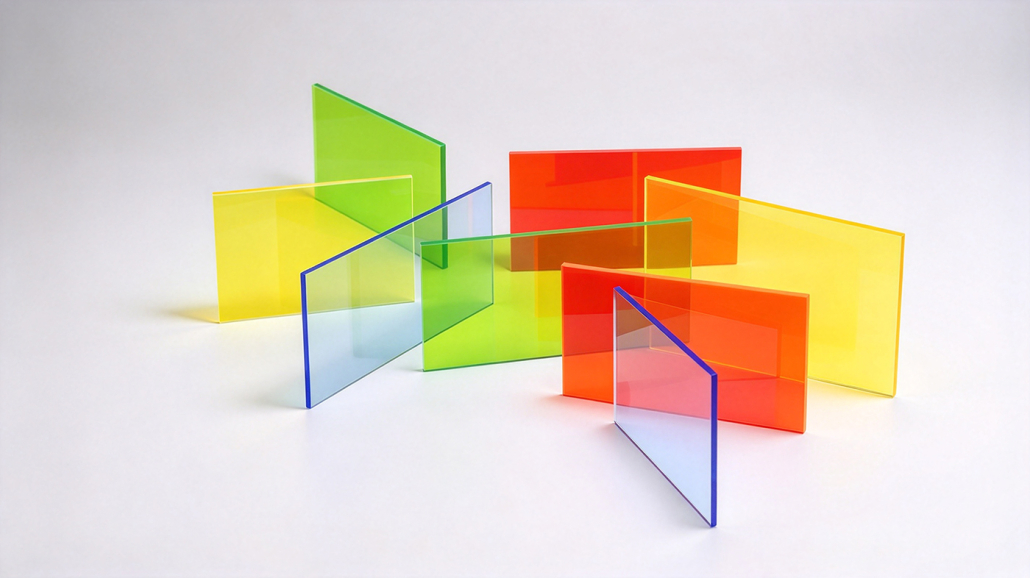
Signage companies may need specific translucent colors for illuminated letters. Retail display manufacturers often require transparent, frosted, or colored acrylic panels. Decorative projects may call for specialized finishes or non-standard dimensions. When suppliers offer limited product options, customers may need to work with multiple vendors, increasing communication costs and complicating procurement.
Customization can also involve minimum order quantities, color matching requirements, and additional production time.
Our solution: Diverse custom sheets for specific demands
Enlight Acrylic understands that different industries require different material specifications. We work with customers to clarify their requirements for acrylic sheet thickness, color, transparency, dimensions, and surface appearance. Our approach is to identify suitable material options and discuss customization feasibility according to the project’s actual needs. This is particularly valuable for customers in advertising signage, commercial displays, exhibition equipment, and interior decoration.
5. Shipping Damage and Uncertain Delivery Schedules
International acrylic sheet procurement involves more than purchasing the materials themselves.
Large plastic panels can be vulnerable to scratches, corner damage, and bending-related damage if they are not appropriately protected during handling and transportation.
Long-distance shipping, multiple handling stages, and inadequate packaging can increase the risk of damaged goods arriving at the destination.
Delayed shipments may also disrupt manufacturing schedules, particularly when acrylic sheets are required for time-sensitive signage installations or commercial display projects.
Our solution: Safe-packaging & dependable delivery timelines
At Enlight Acrylic, we recognize the importance of discussing packaging and logistics requirements before shipment. Customers can communicate their order quantities, sheet dimensions, destination, and transportation preferences so that appropriate packaging and shipping arrangements can be considered. Depending on product specifications and shipping requirements, protective film, reinforced packaging, pallets, or wooden crates may be relevant options. Clear communication about estimated production schedules and shipping requirements helps customers plan procurement more effectively.
6. Yellowing, Weather Resistance, and Long-Term Performance
For outdoor signage and architectural applications, long-term appearance is a major purchasing consideration.
Acrylic sheets are widely recognized for their optical clarity and weather resistance. However, actual performance depends on material formulation, grade, manufacturing quality, environmental exposure, and installation conditions. Products used outdoors may face prolonged ultraviolet exposure, temperature changes, moisture, and environmental contaminants. Choosing an unsuitable grade can lead to premature deterioration, discoloration, or reduced performance. For businesses manufacturing illuminated signs, outdoor displays, and commercial installations, material durability is essential to maintaining product appearance and customer confidence.
Our solution: Anti-yellowing acrylic with reliable weather resistance
Enlight Acrylic encourages customers to consider their operating environment when selecting sheet materials. For outdoor applications, we recommend discussing expected UV exposure, temperature conditions, required service life, and relevant material performance requirements. Rather than assuming every acrylic sheet performs identically, buyers should evaluate available grades and request supporting technical information where applicable. Our application-focused approach helps customers make more informed material decisions.
7. Unreliable Supplier Communication and Limited Technical Support
Even high-quality materials can become difficult to purchase when supplier communication is unclear.
International buyers often need assistance confirming specifications, interpreting technical requirements, arranging samples, understanding shipping costs, and coordinating production schedules.
Slow responses or incomplete quotations can delay purchasing decisions and create unnecessary uncertainty.
For B2B customers, a reliable acrylic sheet supplier should do more than provide a product price. Effective communication and application understanding are equally important.
Our solution: Reachable support team and clear technical advice
Enlight Acrylic aims to make the sourcing process clearer and more efficient. Drawing on our experience in signage-related applications, we understand the importance of discussing material specifications before confirming an order. Our team works with customers to identify key project details, including sheet type, dimensions, thickness, color, quantity, processing requirements, and destination. This helps create a more practical starting point for quotations and material selection. We believe that transparent communication and attention to application requirements are essential to building long-term B2B relationships.
Why Choose Enlight Acrylic as Your Acrylic Sheet Sourcing Partner?
Finding a reliable acrylic sheet supplier requires more than comparing product prices.
For businesses involved in signage manufacturing, retail displays, exhibition construction, and plastic fabrication, the right material choice affects production efficiency, finished-product quality, and customer satisfaction.
At Enlight Acrylic, our understanding of signage applications helps us approach acrylic sheet sourcing from a practical manufacturing perspective.We focus on three important priorities:
Application-Oriented Material Selection
We help customers consider suitable sheet materials based on their processing methods, product requirements, and intended applications.
Clear Specifications and Procurement Communication
We encourage detailed discussions about dimensions, thickness, color, quantity, and packaging expectations to reduce unnecessary misunderstandings.
Long-Term B2B Cooperation
Our goal is to develop reliable business relationships by understanding customer requirements and supporting more informed purchasing decisions.
Whether you are sourcing clear acrylic sheets, colored acrylic panels, cast acrylic sheets, or extruded PMMA sheets, selecting a material that fits your application is essential.
Frequently Asked Questions:
1.What are the biggest challenges in the acrylic sheet market in 2026?
Major challenges include raw material price volatility, inconsistent sheet quality, processing compatibility, customization limitations, international shipping risks, outdoor durability requirements, and supplier communication. Buyers can reduce these risks by confirming specifications, testing samples, and evaluating suppliers beyond price alone.
2.Which is better for signage: cast or extruded acrylic sheets?
Cast acrylic is often suitable for precision machining, engraving, and certain demanding signage applications. Extruded acrylic can offer advantages in thickness consistency, thermoforming, and cost efficiency. The best choice depends on the project’s processing method and performance requirements.
3.How can I avoid acrylic sheet quality problems?
Confirm material grade, sheet thickness tolerance, optical requirements, surface finish, and packaging standards before ordering. Request representative samples when necessary and establish agreed inspection criteria for bulk orders.
4.How can I find a reliable wholesale acrylic sheet supplier?
Look for clear product specifications, responsive communication, application knowledge, transparent quotations, and appropriate quality documentation. Evaluate whether the supplier understands your manufacturing requirements and can discuss practical solutions.
Conclusion: Make Acrylic Sheet Sourcing More Reliable
The acrylic sheet market in 2026 presents real challenges, but informed purchasing decisions can help businesses reduce avoidable risks.
From material quality and price fluctuations to fabrication compatibility and international delivery, successful sourcing depends on choosing suitable products and establishing clear expectations with suppliers.
At Enlight Acrylic, we believe the right sourcing relationship starts with understanding the customer’s application, not simply offering the lowest quotation.
Looking for a Reliable Acrylic Sheet Supplier in China?
Tell us your required material type, thickness, sheet dimensions, color, quantity, intended application, and delivery destination.
Contact Enlight Acrylic today to discuss your project and request a customized quotation.


