
Author: administrator Publish Time: October 26, 2026
Acrylic sheet is one of the most widely used transparent plastic materials in modern manufacturing. It appears in signage, retail displays, furniture, lighting, architecture, and interior design. The material offers excellent optical clarity, attractive appearance, weather resistance, and fabrication flexibility. For that reason, acrylic is a practical alternative to traditional glass in many applications.
What exactly is acrylic sheet, and what technical advantages make it suitable for so many industries?
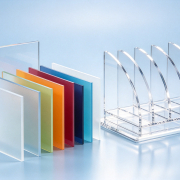
An acrylic sheet, also known as a PMMA sheet or plexiglass sheet, is a thermoplastic panel made primarily from polymethyl methacrylate (PMMA). It is available in a wide range of finishes–including clear acrylic sheet, colored acrylic sheet, frosted acrylic sheet, opal acrylic sheet, and textured or matte acrylic sheet–as well as multiple thicknesses and standard sheet sizes to meet diverse commercial and industrial requirements.
One of the main reasons acrylic has become a preferred alternative to glass is its balance of optical clarity and practical performance. Clear acrylic sheet offers up to 92% light transmission with excellent transparency, while the material itself is lightweight, impact-resistant, and weather-resistant. It is also easy to fabricate — acrylic sheets can be cut, laser-cut, drilled, bent, polished, and CNC-machined with standard workshop equipment. When the correct grade is selected, acrylic is suitable for both indoor and outdoor applications.
These characteristics make acrylic plastic sheets a popular material across many industries, from illuminated signs, retail displays, and acrylic furniture to protective panels, architectural glazing, and lighting diffusers. For designers, fabricators, wholesalers, distributors, and industrial buyers, understanding the different types, key properties, and applications of acrylic sheets is essential when choosing the right material for a project.
In this guide, we will cover everything you need to know about acrylic sheets — including their composition, main types, technical properties, common applications, and how to select the right acrylic sheet for your needs.
What Are the Main Types of Acrylic Sheet?
Acrylic sheet is not a single standardized product. Different manufacturing methods, colors, transparency levels, surface treatments, and material formulations produce a broad family of acrylic sheet products, each suited to different applications, performance requirements, and budgets.
Cast Acrylic Sheet vs Extruded Acrylic Sheet
The most important distinction in the market is between cast acrylic sheet and extruded acrylic sheet, because the manufacturing method directly determines optical quality, fabrication behavior, thickness tolerance, and cost.
Cast acrylic sheet is produced by pouring liquid acrylic monomer into molds, typically between glass plates, where it is polymerized into a solid sheet under controlled conditions. The slow curing process gives cast acrylic superior optical clarity, a premium surface finish, better chemical resistance, and excellent machining characteristics. It is the preferred choice for applications that require a high-end finish or extensive secondary processing, including CNC machining, laser cutting, engraving, polishing, thermoforming, signage, high-end retail displays, and custom acrylic fabrication.
Extruded acrylic sheet is produced through a continuous extrusion process. Acrylic resin is heated, pushed through a die, and formed into a continuous sheet with controlled dimensions. Because the process is highly efficient, extruded acrylic is cost-effective for large-volume projects where consistent thickness and fast production are critical. It is commonly used for glazing, display components, protective panels, signage, and general commercial fabrication.
| Feature | Cast Acrylic Sheet | Extruded Acrylic Sheet |
| Production Method | Batch process(poured into molds) | Continuous process(rolled) |
| Molecular Weight | High | Lower |
| Thickness Tolerance | +/- 10% (varies across the sheet) | +/- 5% (highly consistent) |
| Maximum Thickness | Up to 300 mm+ (ideal for thick blocks) | Typically limited to 30 mm |
| Laser Cutting Edge | Clean, polished edge | Prone to slight melting/burrs |
| Laser Engraving | Frosty white contrast (excellent) | Clear, low contrast |
| Thermoforming | Requires higher heat, minimal shrinkage | Heats quickly, directional shrinkage |
| Chemical Resistance | High (resists crazing from solvents) | Lower (more susceptible to crazing) |
| Price Point | Premium | Cost-effective |
Acrylic Sheet Types by Appearance and Surface Finish
In addition to the manufacturing method, acrylic sheets are classified by appearance, color, and surface finish — and these are usually the first criteria buyers use when matching a material to a design concept.
Clear acrylic sheet is the most widely recognized type. With light transmission of up to 92% and a glass-like appearance, it is a popular choice for displays, protective panels and barriers, signage, glazing, furniture, and architectural applications.
Colored acrylic sheet is available in a wide range of transparent, translucent, and opaque colors. It is frequently used for branded displays, decorative panels, signage, furniture, exhibitions stands, and creative design projects.
Frosted acrylic sheet has a matte or satin-like surface that softens direct visibility while maintaining a clean, premium appearance. It is commonly specified for privacy screens, partitions, office interiors, decorative panels, retail fixtures, and lighting applications.
Opal acrylic sheet, sometimes referred to as milky white acrylic, is engineered to diffuse light evenly across its surface. This makes it particularly suitable for LED light boxes, illuminated signs, lighting fixtures, ceiling panels, and backlit displays where controlled light diffusion is essential.
Textured acrylic sheet features a patterned or embossed surface. Depending on the texture, it can deliver decorative effects, added privacy, light diffusion, or visual depth. Typical applications include interior partitions, decorative glazing, cabinet panels, doors, and architectural features.
Mirror acrylic, matte acrylic, and other specialty acrylic sheets — including anti-glare, UV-filtering, flame-retardant, impact-modified, and anti-static grades — are also available for projects that require specific decorative or functional performance.
What Are the Key Properties of Acrylic Sheet?
The popularity of acrylic sheet comes from its well-balanced combination of optical, physical, and processing properties. Understanding these characteristics — and their limitation — is the foundation of correct material selection.
Optical Clarity and Light Transmission
One of acrylic’s most important characteristics is its outstanding optical clarity. High-quality clear acrylic sheet provides light transmission of up to 92% — higher than ordinary glass — with a clean, glass-like appearance and no green edge tint. This optical performance is one reason acrylic is widely specified for retail displays, display cases, illuminated signage, protective panels, architectural glazing, and decorative products where visual presentation matters.
Lightweight and Easy to Handle
Acrylic weighs roughly half as much as glass of the same size. This significant weight reduction makes large panels easier to transport, handle, fabricate, and install — and lowers shipping costs, which matters for B2B volumes. The lightweight advantage is particularly valuable for signage, exhibition structures, retail fixtures, and suspended decorative components.
Weather Resistance and UV Stability
When the appropriate grade is selected, acrylic maintains its clarity, color, and surface appearance during long-term outdoor exposure. This weatherability distinguishes acrylic from many economical transparent plastic sheets intended primarily for indoor use, and makes it a dependable choice for exterior signage, architectural features, outdoor displays, and other sun-exposed applications. For projects with heavy UV exposure, UV-stable or UV-filtering grades are recommended to minimize yellowing over time.
Fabrication Flexibility
Acrylic is one of the most fabricator-friendly plastics available. Depending on grade and thickness, acrylic sheets can be laser cut, CNC machined, drilled, engraved, polished, bonded, UV-printed, bent, and thermoformed with standard workshop equipment. Flame-polished edges achieve a clean, transparent finish that reinforces the material’s premium look — a key reason it dominates retail displays, furniture, awards, decorative products, and custom acrylic fabrication.
Wide Range of Colors and Finishes
Manufacturers offer clear, translucent, opaque, frosted, opal, textured, mirrored, and custom-matched acrylic sheets, giving designers exceptional flexibility in both functional and aesthetic applications.
What Is Acrylic Sheet Used For?
The combination of transparency, weather resistance, lightweight construction, attractive appearance, and easy fabrication allows acrylic sheet to serve a remarkably broad range of industries. Below are the most common acrylic sheet application.
Acrylic Sheet for Advertising and Signage
One of the largest application areas is advertising and signage. Clear, colored, and opal acrylic sheets are widely used for indoor and outdoor signs, illuminated signs, channel letters, logo panels, menu boards, light boxes, directional signage, and branded displays. Opal acrylic is particularly valuable for illuminated signage because its light-diffusing properties create a more uniform illuminated surface, while colored acrylic helps brands achieve distinctive visual effects without relying entirely on printed graphics.
Acrylic Sheet for Retail Displays and Exhibitions
Retailers and brands use acrylic sheets to manufacture cosmetic displays, jewelry stands, product risers, display cases, brochure holders, countertop displays, shelving, protective covers, and point-of-sale displays. Clear acrylic is especially popular here because it lets customers focus on the product while the supporting structure remains visually unobtrusive; colored, frosted, or mirrored acrylic is introduced when the display itself needs to reinforce brand identity.
Acrylic Sheet for Furniture and Interior Design
Acrylic sheets can be fabricated into tables, shelving, cabinet panels, decorative partitions, transparent furniture components, and wall features. Clear acrylic creates a light, modern visual effect, while colored and frosted acrylic add privacy, contrast, or decorative character to interior schemes.
Acrylic Sheet for Architecture and Decoration
In architecture and interior decoration, acrylic sheet is used for partitions, decorative glazing, wall panels, protective screens, skylight components, doors, and other transparent or translucent features. Because acrylic is lighter than glass and can be formed into different shapes, it gives designers considerable freedom when creating curved, formed, or customized architectural elements.
Acrylic Sheet for Lighting
Lighting is another major application. Opal, frosted, and specialized acrylic sheets are commonly used as LED light diffusers, in light boxes, illuminated advertising panels, lampshades, ceiling fixtures, decorative lighting, and architectural lighting systems. Because different levels of transparency, opacity, and surface texture significantly change the final lighting effect, choosing the correct acrylic grade is particularly important in lighting design.
Acrylic Sheet for Industrial and Equipment Applications
Acrylic is also used in industrial settings, including machine guards, inspection windows, protective covers, equipment panels, instrument covers, and custom fabricated components. For these technical applications, buyers should carefully evaluate thickness, mechanical requirements, operating temperature, chemical exposure, and the installation environment before selecting a grade.
Acrylic Sheet for Crafts, Awards, and Custom Projects
The material is widely used for arts, crafts, model making, awards, trophies, educational projects, and custom fabrication. Laser cutting, engraving, UV printing, polishing, and CNC machining allow acrylic to be transformed into highly customized products with precise shapes and professional finishes.
Looking for a Wholesale Acrylic Sheet or PS Sheet Supplier?
Whether you source plastic sheets for signage, fabrication, retail displays or other projects across Southeast Asia, Africa, North America, the Middle East, Latin America, or any other market, Enlight Acrylic can support your bulk orders for premium acrylic sheets and PS sheets.
Tell us your required:
- Product type
- Sheet size
- Color
- Thickness
- Estimated order volume
- Destination market
Our team will help you evaluate the most suitable factory‑direct solution for your distribution and fabrication business.
Request a wholesale quote from Enlight Acrylic today.

